

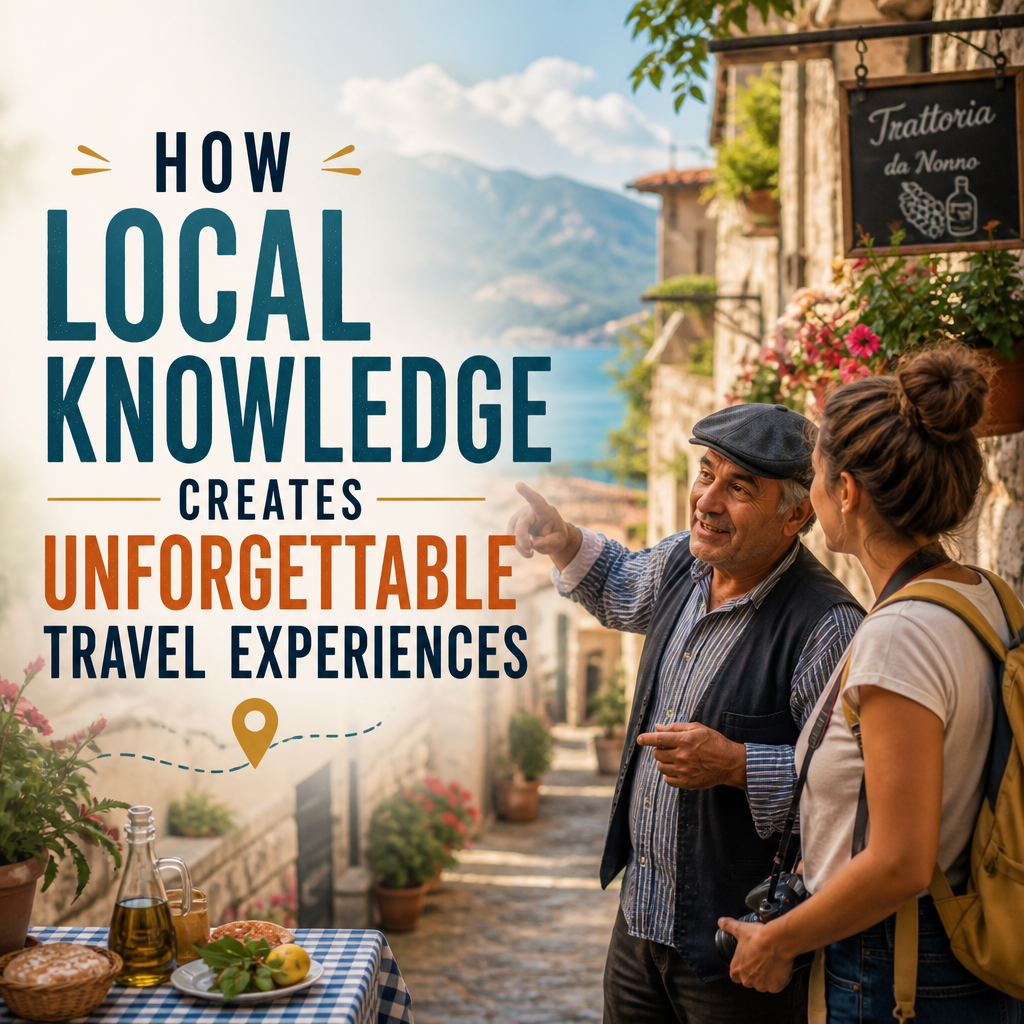
How Local Knowledge Creates Unforgettable Travel Experiences
How Local Knowledge Creates Unforgettable Travel Experiences
Travel becomes truly memorable when it moves beyond famous landmarks and standard itineraries. While guidebooks can point you toward popular attractions, local knowledge reveals the stories, traditions, and hidden places that give a destination its character.
From a family-run restaurant tucked down a quiet street to a festival known only by neighborhood residents, local insight can transform an ordinary trip into an unforgettable travel experience.
Seeing a Destination Through Local Eyes
Visitors often see the surface of a place: its major museums, historic buildings, beaches, and shopping districts. Locals, however, understand how those places fit into everyday life.
They know which market comes alive early in the morning, where residents gather after work, and which streets are best explored at sunset. They can explain why a tradition matters, not simply describe when it takes place.
This deeper perspective helps travelers connect with a destination rather than simply pass through it. A local recommendation may lead to an overlooked viewpoint, a neighborhood celebration, or a conversation that reveals something no travel brochure could capture.
Discovering Hidden Food Traditions
Food is one of the most powerful ways to experience a culture. Although restaurants listed online can be useful, local knowledge often leads travelers to more authentic and personal dining experiences.
A local might recommend:
- A small café famous for a regional breakfast
- A street vendor who has prepared the same specialty for decades
- A family-owned restaurant using recipes passed down through generations
- A neighborhood market where seasonal ingredients shape the menu
These experiences do more than satisfy hunger. They introduce travelers to local history, agriculture, customs, and hospitality. Learning how a dish is prepared—or why it is traditionally served—can make a meal one of the most memorable parts of a journey.
Understanding Culture Beyond Attractions
Local guides and residents can provide context that makes cultural experiences more meaningful. A historic site becomes more fascinating when you understand the people who built it, the conflicts that shaped it, or the traditions still connected to it.
The same is true of festivals, religious ceremonies, music, and art. Without context, travelers may see only a performance or colorful event. With local insight, they can appreciate its symbolism and importance to the community.
Respect also grows from understanding. Knowing local customs—such as appropriate clothing, greetings, dining etiquette, or photography rules—allows visitors to participate thoughtfully rather than unintentionally causing offense.
Finding Authentic Adventures
Local knowledge often encourages travelers to step outside their comfort zones in rewarding ways. Instead of following a crowded route, they may discover a quiet hiking trail, a family-friendly swimming spot, or a small town overlooked by mass tourism.
These recommendations can also make travel more sustainable. Visiting locally owned businesses and less crowded areas spreads tourism income throughout the community and reduces pressure on heavily visited attractions.
Authentic adventures do not always need to be dramatic. They might include:
- Joining a neighborhood walking tour
- Taking public transportation with a local guide
- Attending a community workshop
- Visiting a rural village or regional market
- Learning a traditional craft or cooking technique
The value lies in the connection and perspective these activities provide.
Building Meaningful Human Connections
Some of the most lasting travel memories come from people rather than places. A shared conversation, an invitation to join a celebration, or a helpful recommendation can create a sense of belonging, even during a short visit.
Local knowledge opens the door to these encounters. Guides, hosts, shopkeepers, and residents can help travelers understand the rhythm of daily life and discover experiences based on genuine human interaction.
These connections also challenge assumptions. Speaking with people who live differently can broaden a traveler’s understanding of the world and inspire greater curiosity, empathy, and respect.
Traveling With Curiosity and Respect
Making the most of local knowledge requires an open mind. Travelers should listen carefully, ask thoughtful questions, and remain aware that communities are not simply attractions to be consumed.
A respectful approach includes:
- Supporting independent and locally owned businesses
- Asking permission before photographing people
- Learning a few words in the local language
- Following cultural and environmental guidelines
- Avoiding places where tourism disrupts everyday life
When travelers engage responsibly, local knowledge becomes a bridge between cultures rather than a shortcut to novelty.
The Lasting Value of Local Insight
An unforgettable travel experience is rarely defined by how many attractions someone visits. It is shaped by the depth of the experience: the stories heard, the flavors discovered, the people met, and the perspectives gained.
Local knowledge turns destinations into living communities rather than simple points on a map. It helps travelers move beyond sightseeing and experience a place with greater understanding.
That is why the best journeys often begin with a simple question: “How do people who live here experience this place?” The answer may lead to memories that remain long after the trip has ended.