

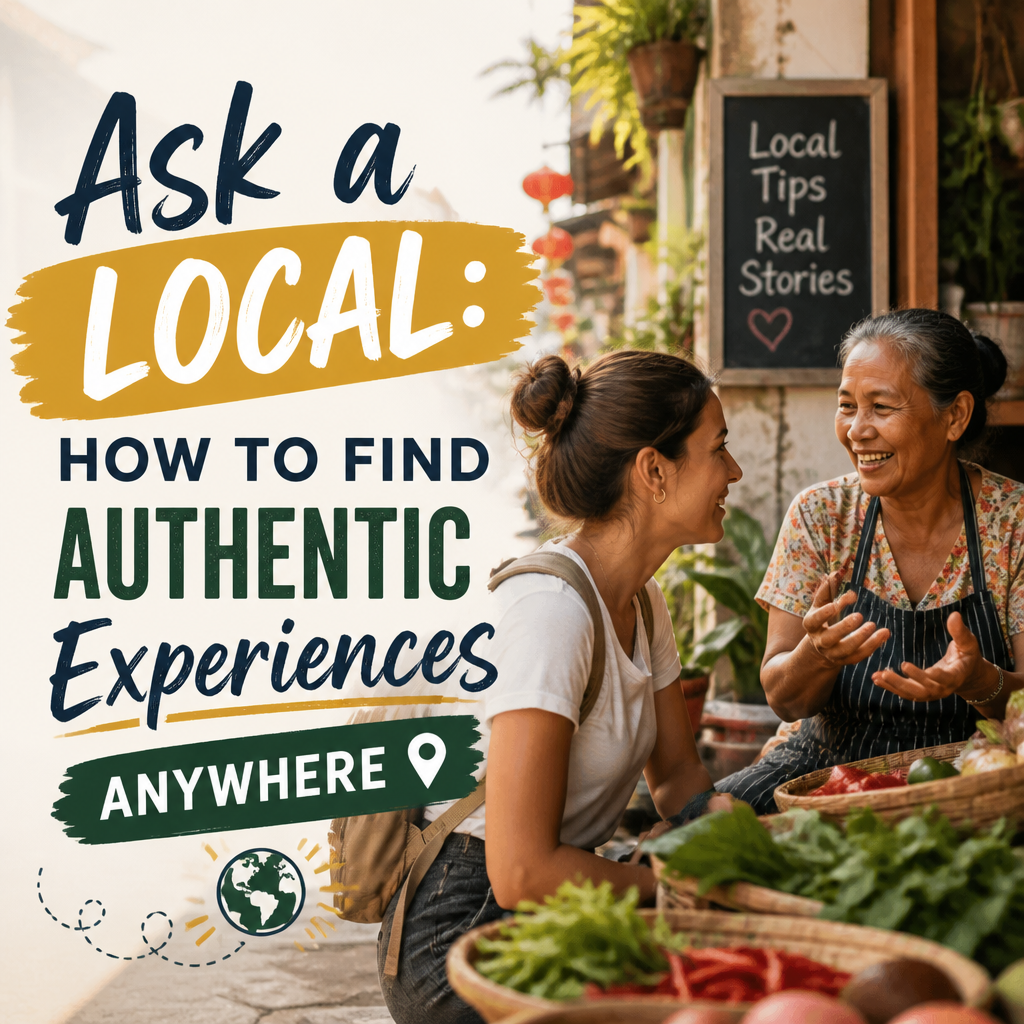
Ask a Local: How to Find Authentic Experiences Anywhere
Ask a Local: The Secret to Finding Authentic Experiences Anywhere
Travel guides can point you toward famous landmarks, highly rated restaurants, and popular attractions. But the most memorable travel experiences often happen away from the usual tourist path. A neighborhood market, a family-owned café, or a quiet walking trail may reveal more about a destination than its most photographed sight.
The secret to finding those moments is simple: ask a local.
Why Locals Know More Than Guidebooks
Guidebooks are useful for planning, but they tend to focus on places that appeal to the largest number of visitors. Locals, on the other hand, understand the everyday character of their community. They know where people gather after work, which bakery sells the freshest bread, and what small event is worth attending.
A local recommendation can help you discover:
- Restaurants that residents actually visit
- Quiet viewpoints away from crowds
- Seasonal festivals and community events
- Traditional foods rarely found in tourist districts
- Neighborhoods with a strong cultural identity
- Shops and workshops run by local families
These experiences often feel more personal because they are connected to real life rather than designed solely for tourism.
Who Should You Ask?
You do not need to find a professional tour guide to get useful advice. Many people can offer thoughtful recommendations, including:
- Hotel or guesthouse staff
- Café and restaurant employees
- Market vendors
- Taxi and rideshare drivers
- Museum staff
- Local shop owners
- Hosts at vacation rentals
- People you meet at community events
Start with a friendly, specific question. Instead of asking, “What should I do here?” try asking, “Where do you go when you want a relaxed dinner?” or “What is one place visitors often miss?”
Specific questions are easier to answer and usually lead to more interesting suggestions.
How to Ask Respectfully
Approaching locals with curiosity and respect makes a major difference. Remember that people are not obligated to provide travel advice, so keep the conversation natural and brief unless they seem interested in continuing.
A few simple guidelines can help:
- Learn a basic greeting. Using a local word or phrase can show appreciation.
- Explain what you enjoy. Mention whether you like history, food, nature, music, or quiet places.
- Avoid treating people like information desks. Begin with a genuine conversation.
- Listen carefully. Their explanation may include cultural details that are not obvious at first.
- Respect boundaries. If someone seems busy or uninterested, thank them and move on.
- Support the places they recommend. Visit responsibly and treat local businesses with respect.
The goal is not to collect secret locations like trophies. It is to connect more thoughtfully with the place you are visiting.
Look Beyond the First Recommendation
Sometimes the first suggestion you receive will still be somewhat popular. That does not make it inauthentic, but you can often learn more by asking a follow-up question.
For example, if someone recommends a well-known market, ask:
- “What should I try there?”
- “When do locals usually go?”
- “Is there a quieter market nearby?”
- “Which stall is your favorite?”
- “Is there a tradition I should know about?”
These questions transform a general recommendation into a more meaningful experience. They may also lead you to a smaller neighborhood, an overlooked food stall, or a local custom you would otherwise miss.
Use Technology Without Losing the Human Element
Online reviews and travel forums can help you identify areas to explore, but they should not replace personal conversations. Digital recommendations often reflect broad popularity, while a local can explain why a place matters.
You can use maps, social media, and community websites to verify opening hours, directions, and current events. Then ask someone nearby for context. A local might tell you that a restaurant is best visited at lunch, that a festival begins earlier than advertised, or that a nearby street becomes especially lively at sunset.
Combining technology with human insight creates a more balanced way to travel.
Be Open to Ordinary Moments
Authentic travel does not always involve a hidden attraction or dramatic adventure. It may be drinking coffee in a busy neighborhood, watching children play in a public square, or taking a bus to an area with no tourist sights at all.
Allow yourself time for unplanned discoveries. Sit in a local park. Browse a grocery store. Visit a community library or small cultural center. These ordinary experiences can offer a deeper understanding of how people live.
The Best Souvenir Is a Story
Asking a local can turn a standard trip into a collection of personal stories. You may remember the baker who explained a traditional pastry, the driver who recommended a family-run restaurant, or the shop owner who described a neighborhood celebration.
These conversations create a stronger connection with a destination. They remind you that travel is not only about seeing new places—it is about listening, learning, and participating respectfully in the life around you.
When you arrive somewhere new, look beyond the itinerary. Start a conversation, ask a thoughtful question, and follow the answer. That simple habit may lead you to the most authentic experience of your journey.
