

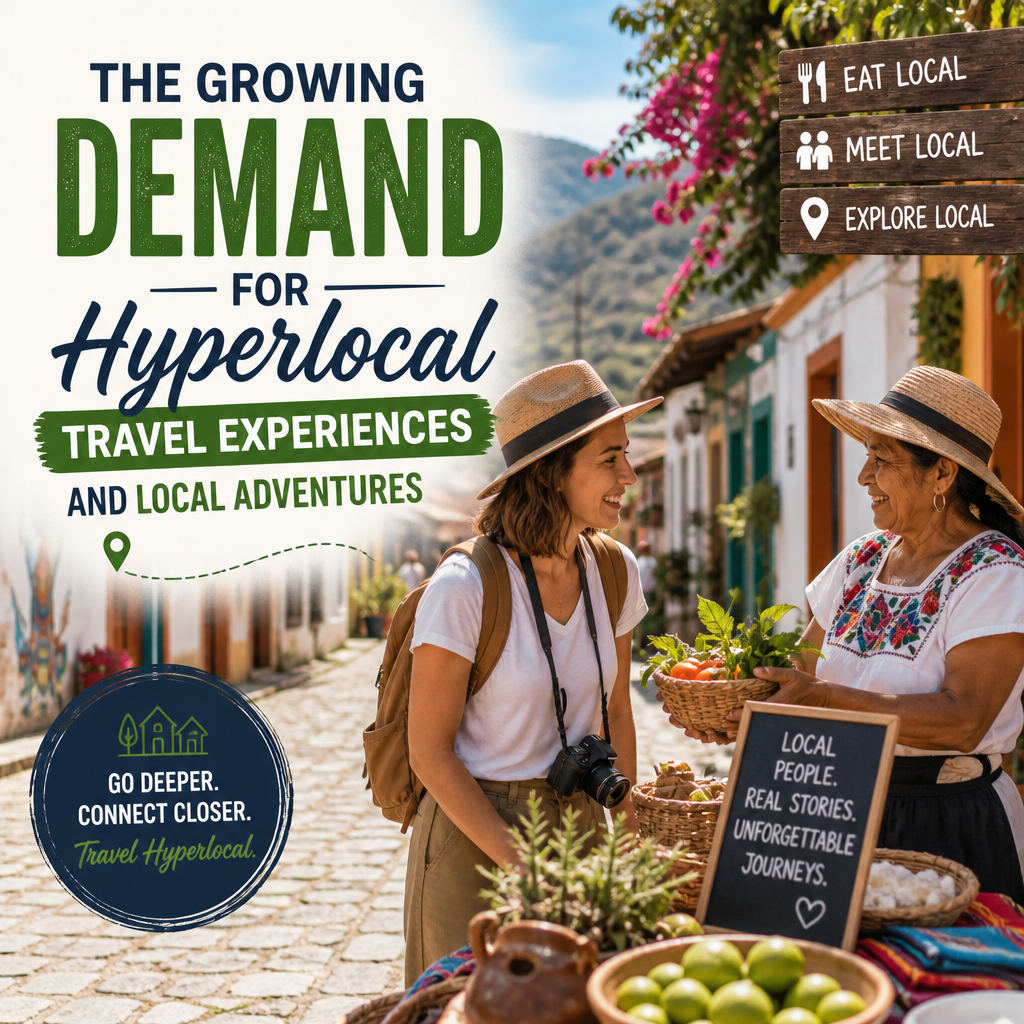
The Growing Demand for Hyperlocal Travel Experiences and Local Adventures
The Growing Demand for Hyperlocal Travel Experiences
Travel is changing. Instead of simply checking famous landmarks off a list, many travelers now want to understand the places they visit through authentic, personal experiences. This shift has fueled the growing demand for hyperlocal travel experiences—journeys shaped by local communities, traditions, food, landscapes, and everyday life.
Hyperlocal travel goes beyond conventional tourism. It encourages visitors to explore a destination at street level, often with the guidance of residents who know its history, culture, and hidden character.
What Is Hyperlocal Travel?
Hyperlocal travel focuses on a small geographic area, such as a neighborhood, village, island, or rural community. Rather than following a standardized itinerary, travelers participate in experiences created and hosted by local people.
These experiences may include:
- Cooking a family recipe with a local host
- Visiting a neighborhood market with a resident guide
- Learning traditional crafts from artisans
- Exploring lesser-known hiking trails
- Staying in a locally owned guesthouse
- Joining community celebrations or cultural workshops
- Touring independent farms, studios, or small businesses
The emphasis is on meaningful interaction. Travelers are not just observing a destination; they are building connections with the people who make it unique.
Why Travelers Want More Authentic Experiences
Modern travelers have access to endless information online. Popular attractions are easy to find, photograph, and share. However, this convenience has also made many destinations feel predictable.
Visitors increasingly want experiences that cannot be copied from a standard guidebook. They are looking for stories, personal recommendations, and moments that feel spontaneous. A conversation with a shop owner, a meal prepared in someone’s home, or a walk through a quiet local district can become more memorable than a crowded tourist attraction.
This desire is especially strong among younger travelers, who often value experiences over possessions. They are more likely to choose activities that reflect local identity, support small businesses, and provide opportunities for cultural learning.
The Benefits for Local Communities
Hyperlocal tourism can create significant benefits for residents when it is managed responsibly. Money spent with independent guides, family-owned restaurants, craft producers, and community organizations is more likely to remain within the local economy.
It can also help preserve traditions that might otherwise disappear. A traditional cooking class, for example, can provide income while passing recipes and techniques to younger generations. Similarly, cultural tours led by local historians can encourage pride in regional heritage.
Other potential benefits include:
- New employment opportunities
- Support for small and creative businesses
- Greater investment in local infrastructure
- Preservation of language, food, and crafts
- More balanced tourism beyond overcrowded attractions
For these benefits to be lasting, local residents should have a meaningful role in designing and managing tourism activities.
Technology Is Making Local Discovery Easier
Digital platforms have made it simpler for travelers to discover small-scale experiences. Mobile apps, social media, online marketplaces, and local blogs connect visitors with independent hosts who may not have access to traditional tourism networks.
Travelers can now find a neighborhood walking tour, reserve a table at a home-based dining experience, or book a workshop directly with a local artisan. Reviews and visual content also help visitors make informed choices before arriving.
At the same time, technology should support—not replace—the human element of travel. The most successful hyperlocal experiences use digital tools to create connections while preserving personal interaction and cultural respect.
Responsible Travel Matters
The popularity of hyperlocal tourism brings challenges. Even small communities can experience overcrowding if an experience becomes too popular. Cultural traditions may also be simplified or commercialized when they are presented solely for visitors.
Responsible travelers can help by choosing locally owned businesses, respecting community rules, and asking permission before taking photographs. They should also avoid treating local culture as a performance and remain open to learning on the community’s terms.
Travel providers have a responsibility as well. They should ensure fair compensation, protect local resources, and communicate honestly about what guests can expect.
The Future of Hyperlocal Travel
The growing demand for hyperlocal travel experiences reflects a broader shift toward slower, more thoughtful tourism. Travelers want to spend more time in fewer places, form genuine connections, and leave with a deeper understanding of local life.
As destinations seek to reduce overcrowding and spread tourism income more fairly, hyperlocal experiences will likely become an increasingly important part of the travel industry. The future may belong not only to major attractions, but also to the neighborhood baker, the village guide, the independent artist, and the family welcoming visitors into their community.
Hyperlocal travel reminds us that the most rewarding journeys are often found beyond the obvious sights. By looking closer, traveling respectfully, and listening to local voices, visitors can experience destinations in a more personal and meaningful way.
